Concrete Polishing vs Epoxy Coatings Explained
People searching for concrete polishing or epoxy coatings are usually looking to improve durability and appearance, and local service providers can help choose and apply the right solution.
If you're exploring options to improve the appearance, durability, or functionality of your property's concrete surfaces, understanding the differences between concrete polishing and epoxy coatings is an important first step. Both solutions offer distinct benefits and are popular choices among property owners seeking to enhance garages, basements, warehouses, or commercial spaces. This page is designed to help you compare these options, providing practical insights into how each approach can meet different needs. Local contractors specializing in concrete finishing can help determine which method aligns best with your specific goals and property conditions.
Property owners in the area often consider concrete polishing or epoxy coatings to improve safety, aesthetics, or longevity of their floors. Whether you're aiming for a sleek, mirror-like finish or a resilient, seamless surface, knowing the advantages of each can inform your decision. Keep reading to learn more about how local service providers can assist in delivering the ideal concrete solution for your property, ensuring that your investment enhances both form and function.
- Concrete polishing services are ideal for those seeking a durable, low-maintenance finish for commercial or industrial floors, with local contractors using grinding and polishing techniques to enhance existing concrete. Epoxy coatings are often chosen for spaces needing a seamless, decorative surface that resists stains and chemicals, with local service providers applying coatings tailored to the specific use of the area. When comparing concrete polishing vs epoxy coatings explained, local pros can help determine which option best matches the environment's durability and aesthetic requirements. Concrete polishing is well-suited for showcasing the natural look of concrete in high-traffic areas, while epoxy coatings are preferred for creating vibrant, protective surfaces in retail or garage settings. Both types of work are handled by local contractors who assess the condition of the concrete and advise on the most suitable finishing method.
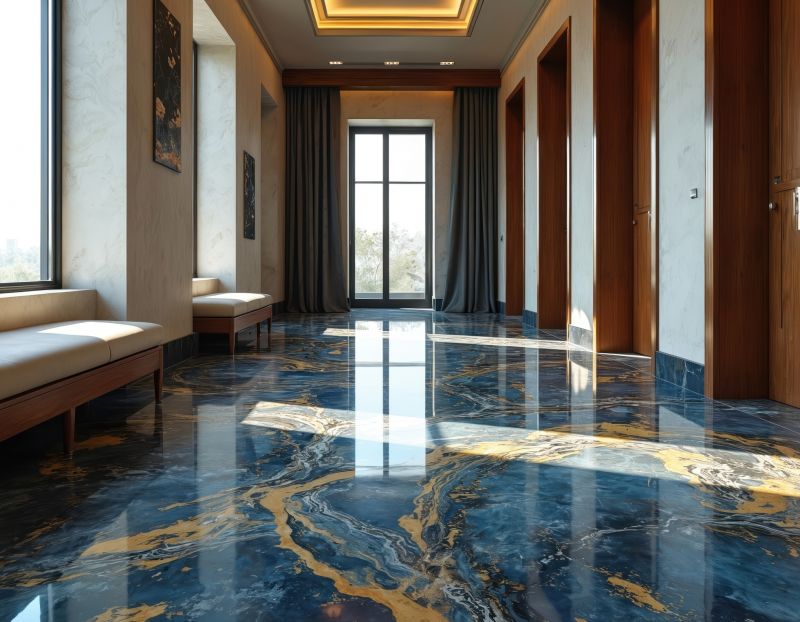
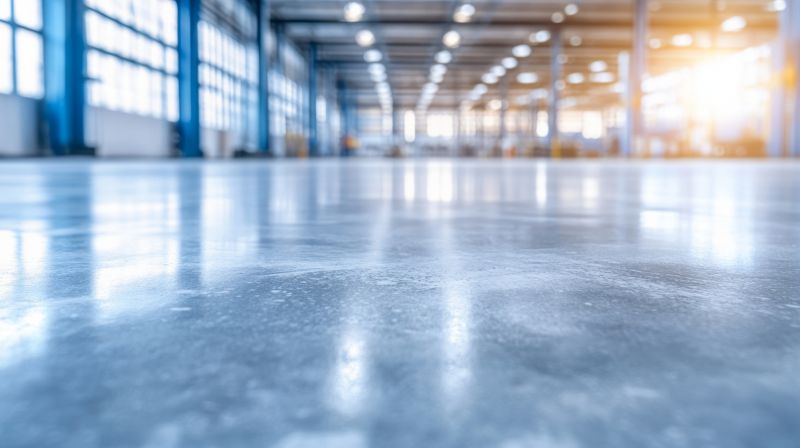

When people search for concrete polishing vs epoxy coatings explained, they are usually trying to understand the key differences between these two popular flooring options. Homeowners often consider these solutions when planning upgrades to garages, basements, commercial spaces, or even residential interiors. The goal is to find a durable, attractive surface that suits the specific needs of the property, whether it’s for aesthetic appeal, functionality, or longevity. This comparison helps clarify which method aligns best with their project goals, budget, and the type of property involved.
The decision between concrete polishing and epoxy coatings often relates to the problems or plans homeowners encounter during renovation or remodeling projects. For example, a homeowner might want a seamless, low-maintenance floor for a garage that withstands heavy foot traffic and vehicle weight. Alternatively, a business owner could be exploring options to improve the appearance and durability of a warehouse or retail space. Understanding the differences helps property owners determine whether they need a polished, reflective surface or a protective, decorative coating. Local contractors who specialize in either service can evaluate the property's current condition and recommend the most suitable solution.
Properties that typically come up in concrete polishing vs epoxy coatings explained discussions include garages, basements, warehouses, retail stores, and even some residential interiors. These spaces often require floors that are tough enough to handle daily wear and tear while also enhancing visual appeal. Concrete polishing is favored for its natural, glossy finish that emphasizes the existing concrete’s strength and texture. Epoxy coatings, on the other hand, are chosen for their ability to add color, design options, and chemical resistance, making them ideal for spaces that need both protection and aesthetic customization. Local service providers can assess these property types and help determine which flooring method suits their specific needs.
Understanding the practical differences between concrete polishing and epoxy coatings is essential for homeowners planning their projects. Concrete polishing involves grinding down the surface to reveal a smooth, shiny finish that enhances the concrete’s natural look. It is often used in spaces where a sleek, minimalist appearance is desired, and where low maintenance is a priority. Epoxy coatings, by contrast, are applied as a layered resin that can be customized with colors, flakes, or patterns. They provide a durable, seamless surface that resists stains, chemicals, and impacts, making them suitable for high-traffic or industrial areas. Local contractors who specialize in these services can help property owners choose the right solution based on their specific project requirements and property type.
Garage Floor Resurfacing - local contractors specializing in garage floor upgrades often utilize concrete polishing and epoxy coatings to improve durability and appearance.
Industrial Warehouse Flooring - service providers experienced in large-scale flooring projects use epoxy coatings and concrete polishing to enhance strength and ease of maintenance.
Commercial Retail Space Finishing - local pros can apply polished concrete or epoxy coatings to create attractive, long-lasting retail flooring solutions.
Basement Renovations - contractors offering basement finishing services frequently incorporate concrete polishing or epoxy coatings for a seamless, durable surface.
School and Gymnasium Flooring - specialists in sports and educational facilities utilize epoxy coatings and polished concrete to provide safe, resilient flooring options.
Food Processing Facility Floors - local service providers can install specialized epoxy coatings and polished concrete to meet hygiene and durability standards.

When comparing service providers for concrete polishing versus epoxy coatings, it’s important to evaluate their experience with similar projects. Homeowners should inquire about how many comparable jobs the local contractors have completed, paying attention to the complexity and scale of those projects. An experienced professional will have a clear understanding of the differences between concrete polishing and epoxy coatings, ensuring they can recommend the most suitable solution based on the specific needs of the space. Reviewing examples of past work or requesting references can provide insight into their expertise and the quality of results achieved in similar settings.
Clear written expectations are essential when choosing between concrete polishing and epoxy coatings. Service providers should be willing to explain the scope of work, the materials used, and the expected outcomes in straightforward terms. This helps homeowners understand what the project will entail and sets realistic standards for the finished surface. A reputable contractor will also outline any preparatory work needed, the durability of the finish, and maintenance considerations, enabling homeowners to make informed decisions aligned with their goals for the space.
Good communication and reputable references are key factors in selecting the right local contractor. Homeowners should seek out service providers who are responsive, transparent, and willing to answer questions throughout the process. Checking references or reviews can reveal how previous clients felt about the contractor’s professionalism, reliability, and the overall quality of work. Effective communication ensures that expectations are aligned from the start, reducing the risk of misunderstandings and helping to ensure the chosen service provider can deliver results that meet the homeowner’s needs for either concrete polishing or epoxy coatings.
Property owners often search for concrete polishing vs epoxy coatings explained when they are planning practical projects around their homes and businesses. Local pros provide Epoxy Coatings or Concrete Polishing services for everyday jobs and straightforward project options.


In many everyday project situations, property owners often find themselves weighing options for upgrading their concrete surfaces, whether for residential garages, basement floors, or commercial spaces. Concrete polishing and epoxy coatings are two popular choices, each offering different benefits depending on the intended use and desired appearance. Property owners might look up this topic to understand which option provides a more durable, attractive, or cost-effective solution for their specific needs. Local contractors who specialize in these services can help assess the space, recommend the best approach, and ensure the finished surface meets expectations, whether that’s a sleek polished look or a resilient epoxy finish.
When considering concrete polishing vs epoxy coatings explained, property owners often seek straightforward explanations about the differences in appearance, maintenance, and longevity. Concrete polishing typically results in a shiny, smooth surface that highlights the natural look of the concrete, making it suitable for areas where a modern or industrial aesthetic is desired. Epoxy coatings, on the other hand, tend to provide a seamless, colorful, and highly resistant layer that can handle heavy traffic and spills. Local service providers are equipped to guide property owners through these choices, helping them understand which option aligns best with their project goals and lifestyle requirements.
What is the main difference between concrete polishing and epoxy coatings? Concrete polishing involves grinding and buffing the existing concrete surface to achieve a smooth, shiny finish, while epoxy coatings apply a resin-based layer over the concrete for added durability and color options.
Which option is more suitable for high-traffic areas? Epoxy coatings are generally more resistant to wear and chemicals, making them ideal for high-traffic commercial or industrial spaces, whereas concrete polishing offers a durable, low-maintenance surface for both residential and commercial settings.
Can concrete polishing or epoxy coatings be customized in appearance? Yes, epoxy coatings come in various colors, textures, and decorative flakes, allowing for customization, while polished concrete can be enhanced with stains or dyes for different aesthetic effects.
Are concrete polishing and epoxy coatings appropriate for outdoor use? Both can be used outdoors, but epoxy coatings may require additional UV protection to prevent fading, whereas polished concrete can withstand outdoor conditions with proper sealing.
How do local service providers determine which option is best? Professionals assess factors like the intended use, foot traffic, aesthetic preferences, and environmental conditions to recommend either concrete polishing or epoxy coatings for each project.
Choosing the right finish for a garage floor can help property owners decide between concrete polishing and epoxy coatings based on durability and appearance.
Planning a commercial space renovation may involve selecting a coating that resists heavy foot traffic or a polished surface that enhances brightness.
Upgrading a basement or workshop can benefit from professional concrete polishing for a sleek look or epoxy coatings for chemical resistance.
Creating a decorative or industrial style might include exploring epoxy coatings with color options or a polished concrete finish for a modern vibe.
If you are thinking about concrete polishing vs epoxy coatings explained for a property, this guide is meant to help you understand this topic, the typical project types, and how different options might fit your plans.
When you are ready, you can use the quote form on this page to share a few details about your project. From there, local pros can review the basics and follow up with options that match what you have in mind.